
Blow It Up Again, Sam: Source Code (2011) and the Eight-Minute Multiverse

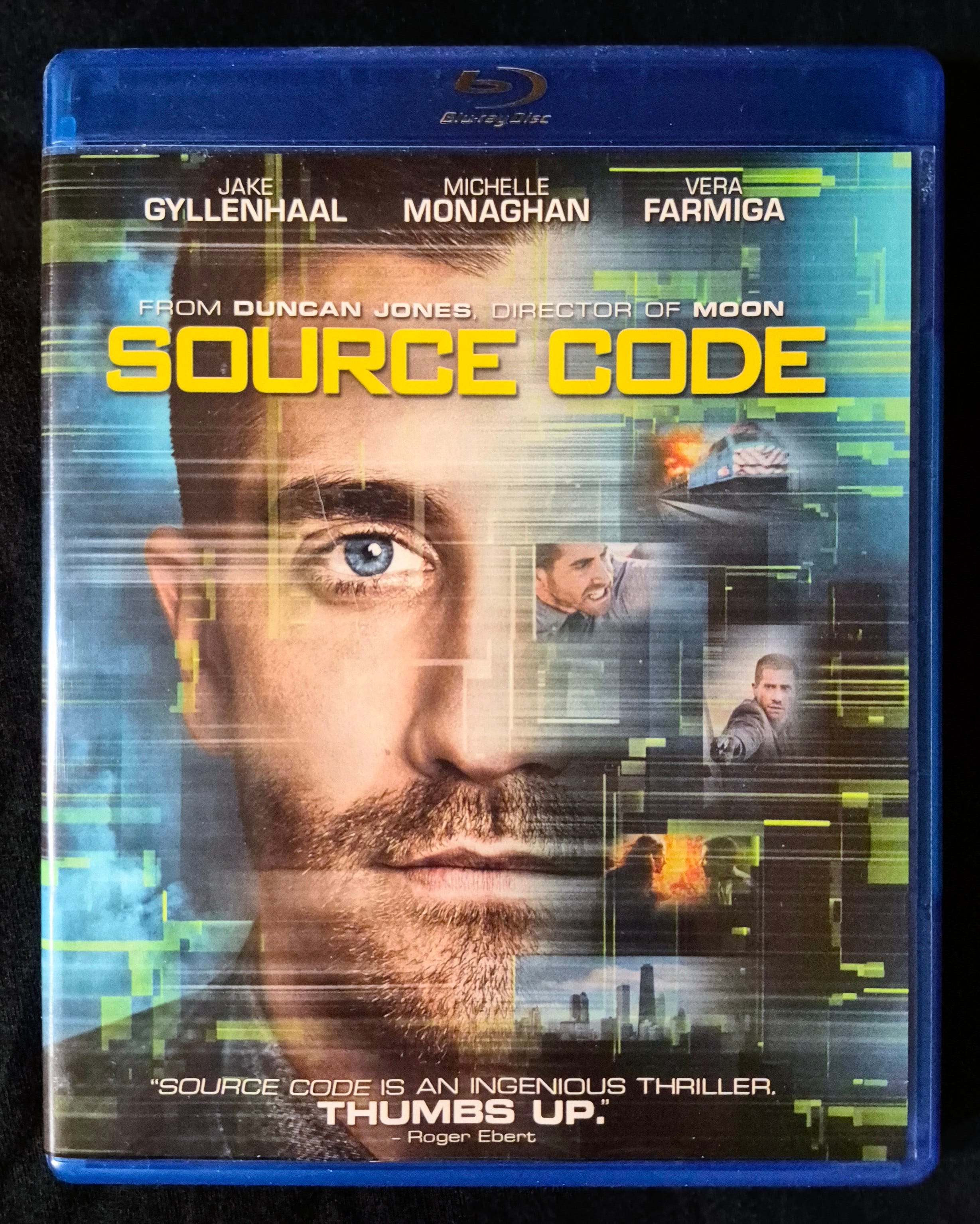
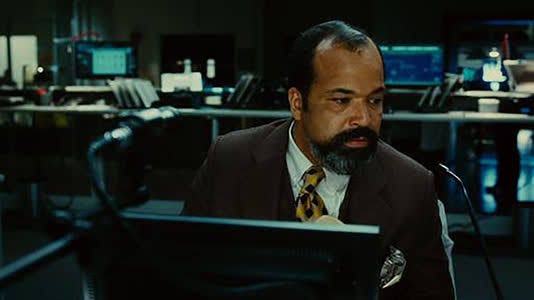
I’m a sucker for time travel movies, so it’s no surprise that I found Source Code (2011) to be a fun, charming little popcorn time travel movie—sort of. There’s nothing remarkable in the direction or any other technical aspect of the film, but it has four solid leads in Jake Gyllenhaal, Vera Farmiga, Michelle Monaghan, and Jeffery Wright, the latter of whom is doing some serious scenery chewing with a fun evil scientist affectation.
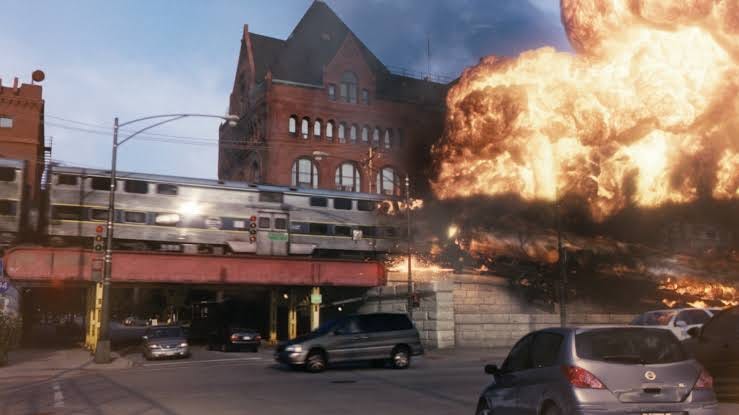
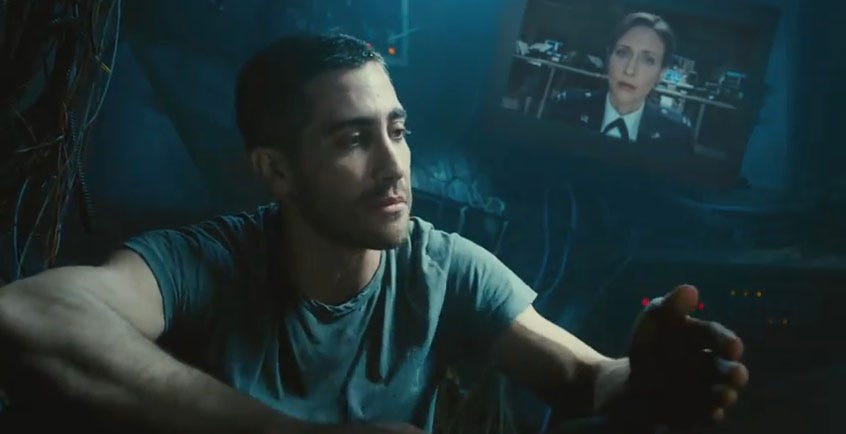
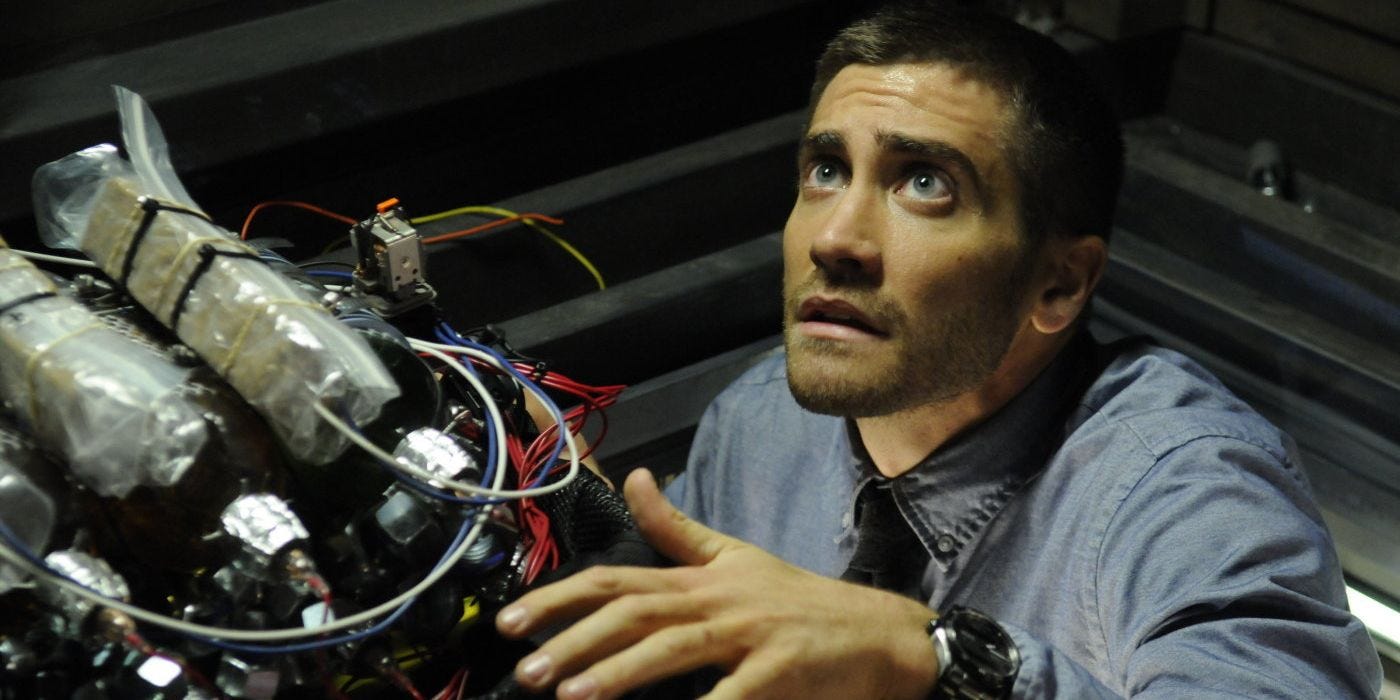
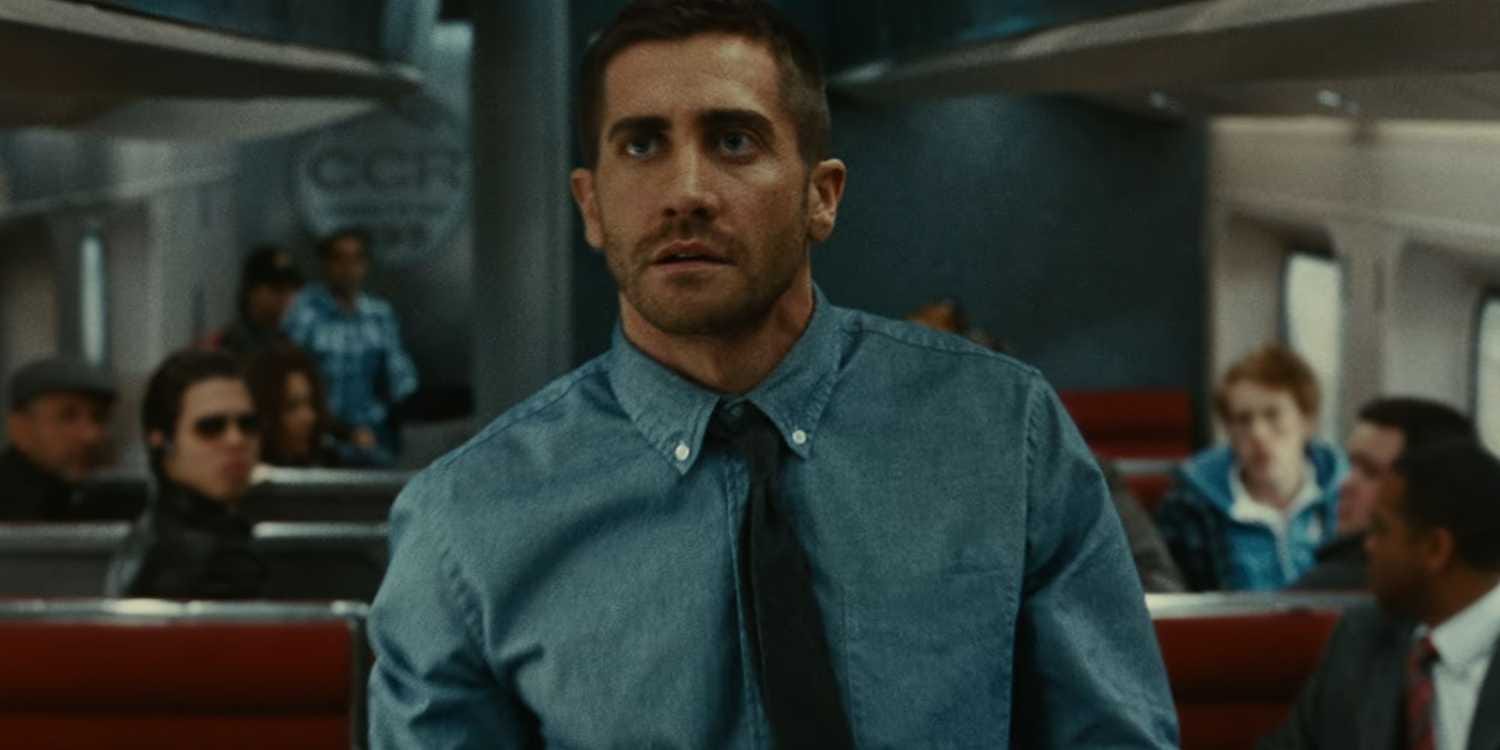
Jake Gyllenhaal’s Colter Stevens, a U.S. Army pilot, wakes up in the body of a random person on a train headed to Chicago and he discovers the hard way that there’s a bomb riding the train, too. When it goes off and he’s killed, Stevens wakes up in a capsule and learns he’s been recruited for a secret government pseudo-time travel parallel universe simulation thing in which he must discover the identity of the bomber and, because of a bunch of brain science jargon, he only has eight minutes to do it. Stevens repeats the event over and over again not to prevent the train bomb, but to ID the bomber to stop the future detonation of an even bigger bomb. Source Code takes a lot of influence from its predecessors in the genre. It would be easy to simply label it as Groundhog Day (1993) on a train, but I see it as an amalgamation of Groundhog Day (1993) and Twelve Monkeys (1995) with a little bit of Déjà Vu (2006) thrown in for good measure.

The trial and error of Stevens repeating the same eight minutes until he completes the mission is a good conceit for a movie that rolls the end credits in less than ninety minutes. Though, it doesn’t make a lot of sense, the narrative is even further condensed by the fact that the bulk of the action takes place on only one of many train cars. There’s never any explanation as to how or if this shadowy military branch knows the bomb is on the same train car as Stevens’ avatar, a teacher named Sean Fentress.
The logic of the Source Code project is flimsy at best with its pseudoscience explanation of the brain having an afterglow effect and a short-term memory storage, which allows the machine to reconstruct the past and create a simulation of eight minutes-worth of events leading up to Fentress’s death. The process is referred to as “time reassignment” and Stevens is told the people he meets in the Source Code all died earlier that morning and the simulation can’t change the past. However, the movie’s happy ending shows that when logged in, Stevens exists in a physical reality separate from his own where he can not only interact with others and the environment, but also alter the future of that reality.
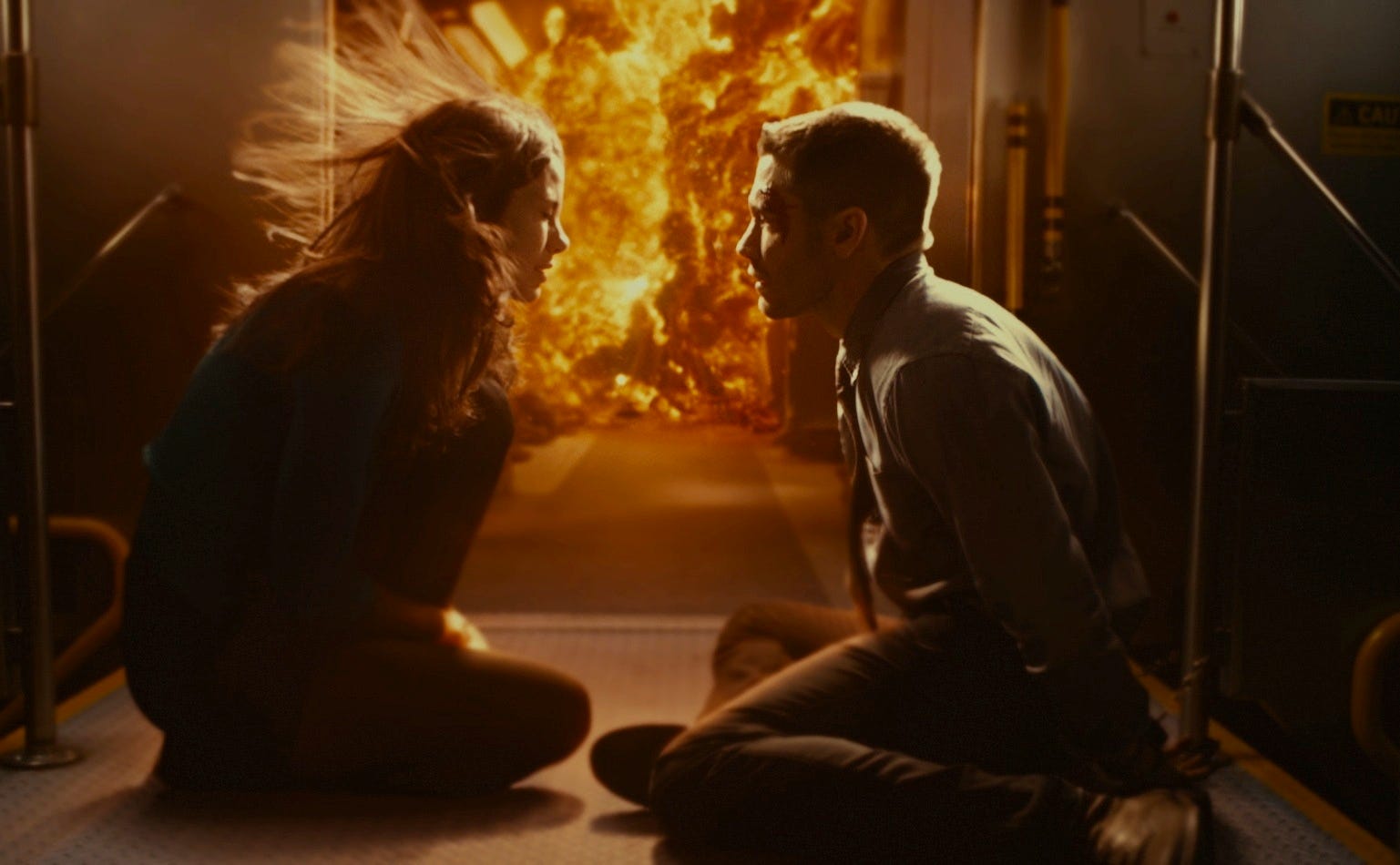
What I wonder is if the Source Code is tapping into one of an infinite number of alternate realities each time Stevens is sent in or if the machine is triggering its own Big Bang and creating a universe that doesn’t exist until Stevens abruptly wakes up on a train in a history teacher’s body; if the latter is the case, then it would stand to reason that any notion of God has been cast down by the US military. Jeffrey Wright’s Dr. Rutledge and Vera Farmiga’s Captain Goodwin argue that the people in there aren’t real and it’s just a re-creation, but Rutledge also uses the term “parallel reality” which would imply a separate reality existing in time alongside theirs. The bigger mystery, though, is whether it’s all poor screenwriting or clever ambiguity.

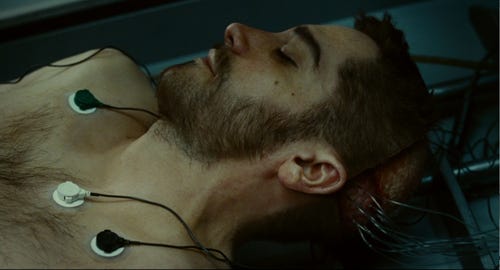
Aside from the primary focus on the mad bomber mystery, there’s also a subplot of Stevens trying to figure out how he went from fighting in Afghanistan to essentially being a guinea pig for an Air Force secret project. This section of the movie skims the surface of bigger themes of the military’s treatment of soldiers as expendable, especially in regards to the war on terror. What Stevens learns through using the internet in the Source Code on a pre-smartphone device—one of those phones with a sliding keyboard—is the military reported him dead months earlier; he then later learns he was horrifically wounded and a part of his brain has been kept alive for the program. The climax of the film ties in how he’s being used by his superiors despite his undying(?) wishes, but the movie ends on Stevens himself praising the applicability of the program in what feels like a very half-baked resolution.
Like Tony Scott’s Déjà Vu, the movie is very much a product of the post-9/11 world to the point where Dr. Rutledge even praises the Source Code as the first real powerful weapon in the war against terror. With that in mind, I’m relieved that the bomber turns out to just be some lame-ass nerdy white guy. There’s a bit of a fake-out in which Stevens suggests the bomber may be a man who looks vaguely Middle Eastern and Michelle onaghan’s Christina calls him out for racial profiling. I only wish the bomber actually had an ethos or a motive other than a lazy anarchist footnote about burning it all down and starting over.
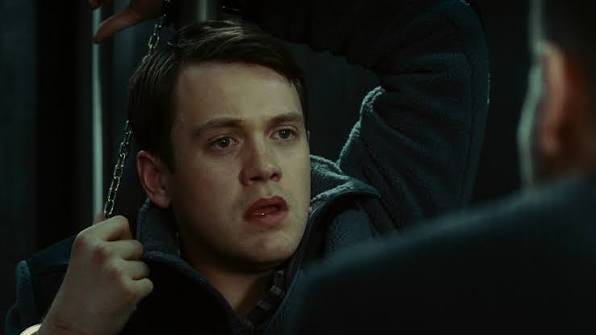
I thoroughly enjoyed the hour and a half I spent watching Source Code and it’s entirely due to the four charming leads and an engaging premise but everything else is a mash-up of underdeveloped ideas. I wonder if an extra fifteen to twenty minutes of exposition and plot development would have strengthened the foundation of what is a very fun movie or—more likely—collapse it under its own weight.

Interesting! I remember seeing this in the cinema and loved it and whenever I see it around I think “man I had a good time watching that”. Interesting that it doesn’t really hold up though. I’ll have to go back for a rewatch.
Your conclusion is so great it could almost stand alone. I agree it’s intriguing but felt like just was missing a little something. I was still there for it though :)