

Alone in the Dark (1982): Progressive Mental Health Treatment Painted with a Broad B-Horror Brush

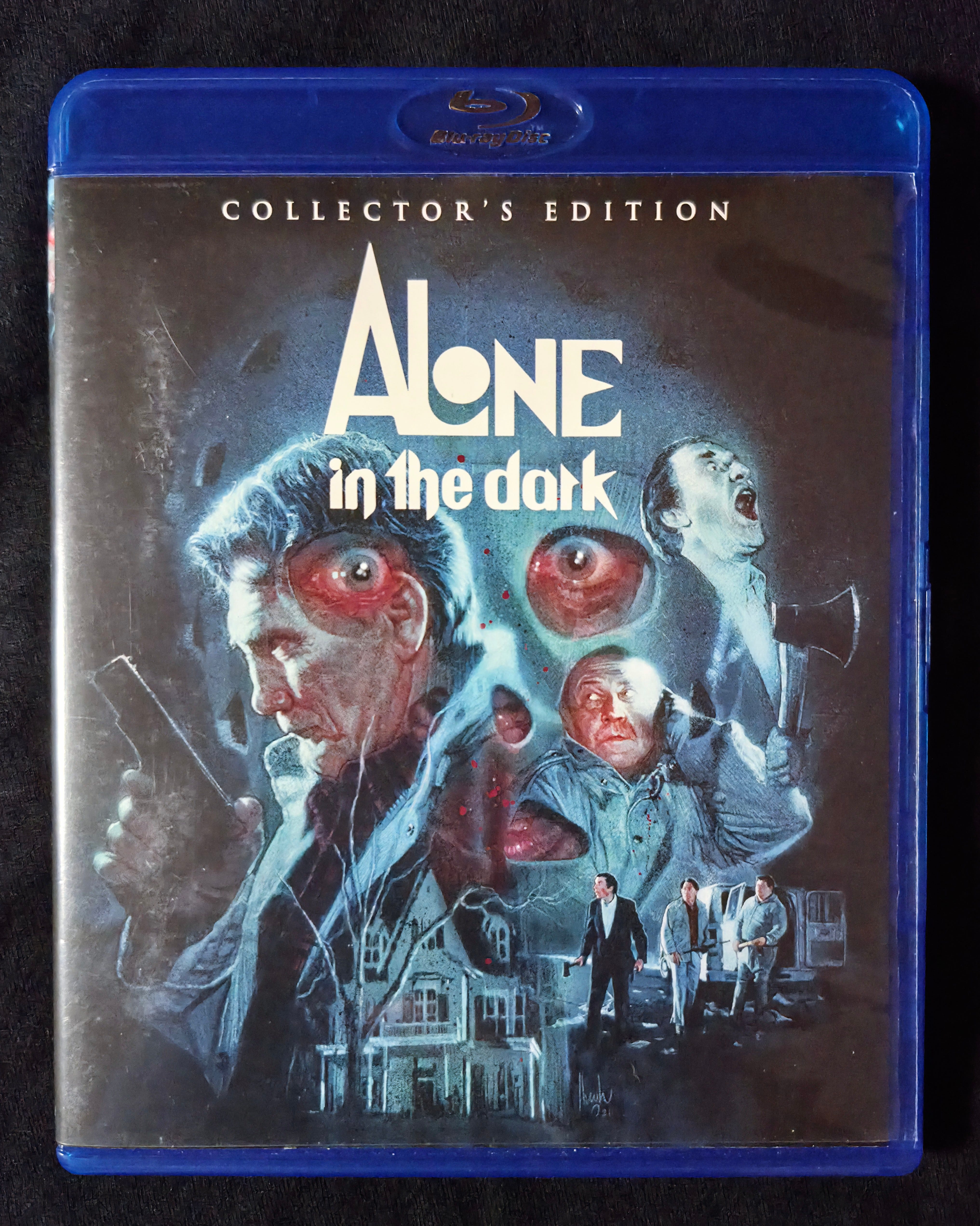
If it weren’t for a self-imposed horror detox in the months leading up to my annual Spooktacular movie marathon in the fall, I’d watch a low-budget ‘80s horror movie every night. There’s something about shutting off all the lights and firing up a Scream Factory blu-ray near midnight for some schlock and gore that just hits the spot. It’s also those same conditions that make a fairly sleepy b-horror movie play better than it normally would.
Before Jack Sholder directed the now revered A Nightmare on Elm Street 2: Freddy’s Revenge (1985), he wrote and directed Alone in the Dark (1982), which tells the tale of a cutting edge experimental psychiatric institution overseen by the eccentric and unconventional Dr. Bain, played by the eccentric and unconventional Donald Pleasance. Housed within the facility on its third floor are the most volatile and deranged maniacs mankind has ever se—oh wait, it’s just Jack Palance and Martin Landau.
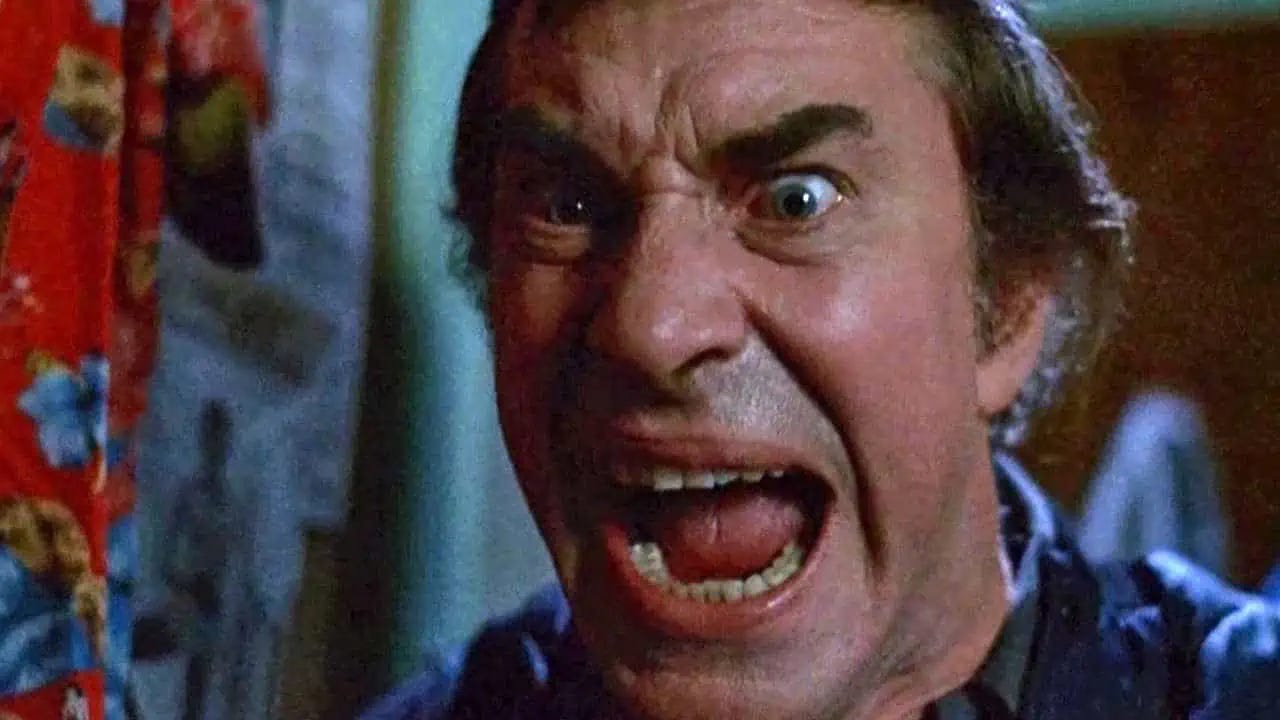
The first two floors of the institution are basically just Charles Xavier’s School for Gifted Middle-Aged Schizophrenics, but the third floor has the look of a highly secure prison—or at least an elementary school converted into a minimum security prison (Aren’t they one and the same?)—and shot with plenty of Dutch angles and uncomfortable close-ups to simulate the wing’s disorienting, claustrophobic nature. The only thing keeping the third floor patients in check is a vague, state-of-the-art security system of motion-activated alarms, sliding steel doors, and steel shutters all controlled by electricity. When the newly hired Dr. Potter arrives and he’s given a tour of the facility, everyone treats electricity like it’s a fantastic new secret sauce, as if Ben Franklin had just flown his kite the night before.
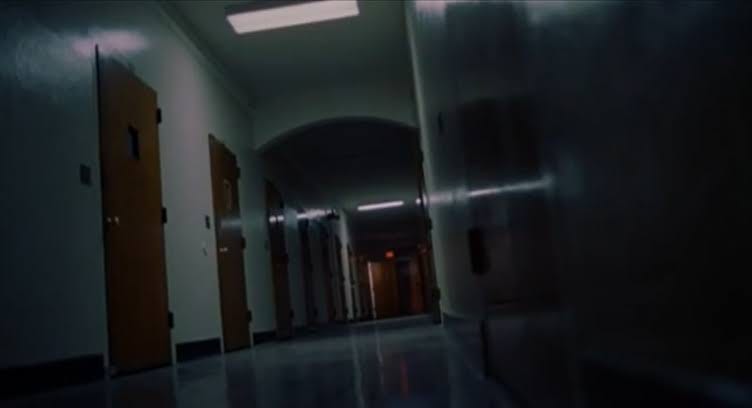
Alone in the Dark is one of those ‘80s movies that likes to shit on anything progressive, portraying it as weak and ineffectual to an absurd degree that only the dumbest conservative would take at face value—so about 90% of them, then. Therefore, it presents a shakily functioning hospital run by a doctor indistinguishable from his patients in which potentially dangerous people are allowed to roam freely with access to a plethora of objects that can easily be converted into weapons. For instance, Martin Landau’s pyromaniac Preacher is casually given a pack of matches by Dr. Bain and unsurprisingly uses it to set fire to a shirt and flail it around menacingly until he’s subdued. There’s also a murderer known as The Bleeder for his penchant to suffer nosebleeds from the thrill of the kill, yet he isn’t kept on the restricted floor and is allowed to wander unfettered around the lower floors. Even more inexplicable is the fact that the third floor patients are allowed unrestricted outdoor recreation on the hospital’s grounds during the day.
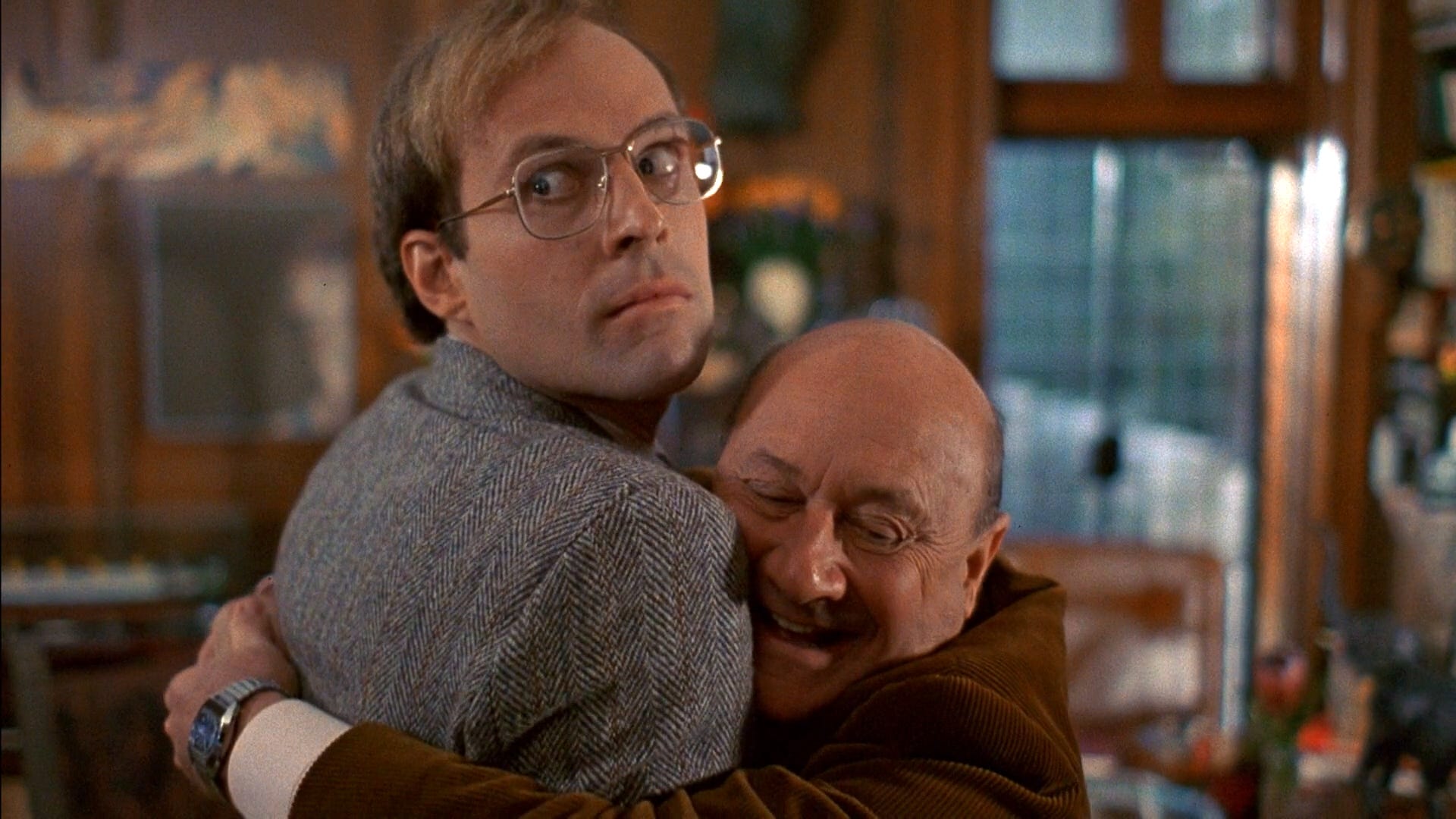
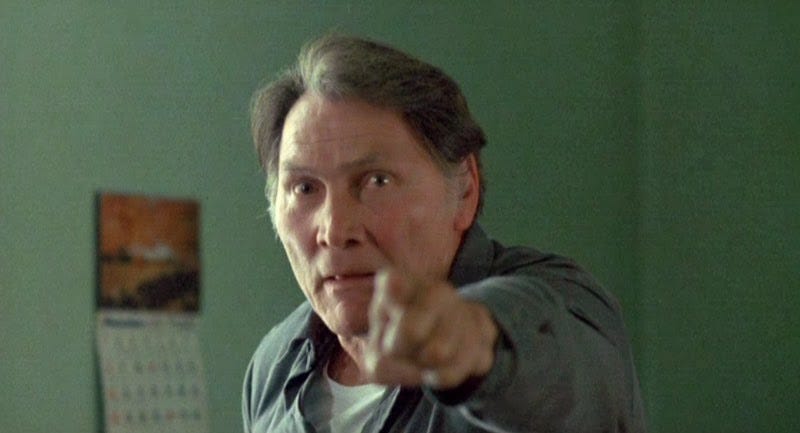
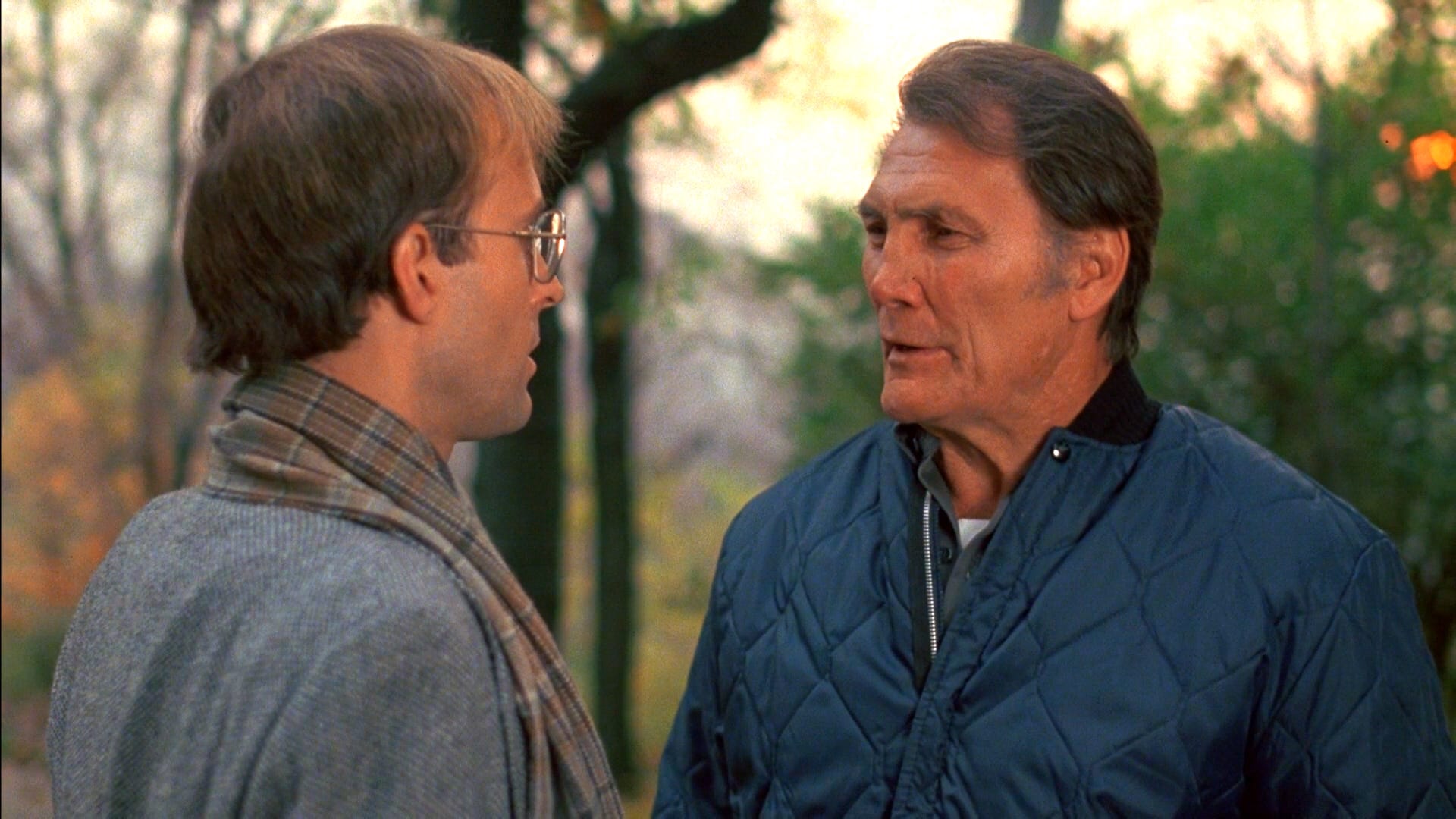
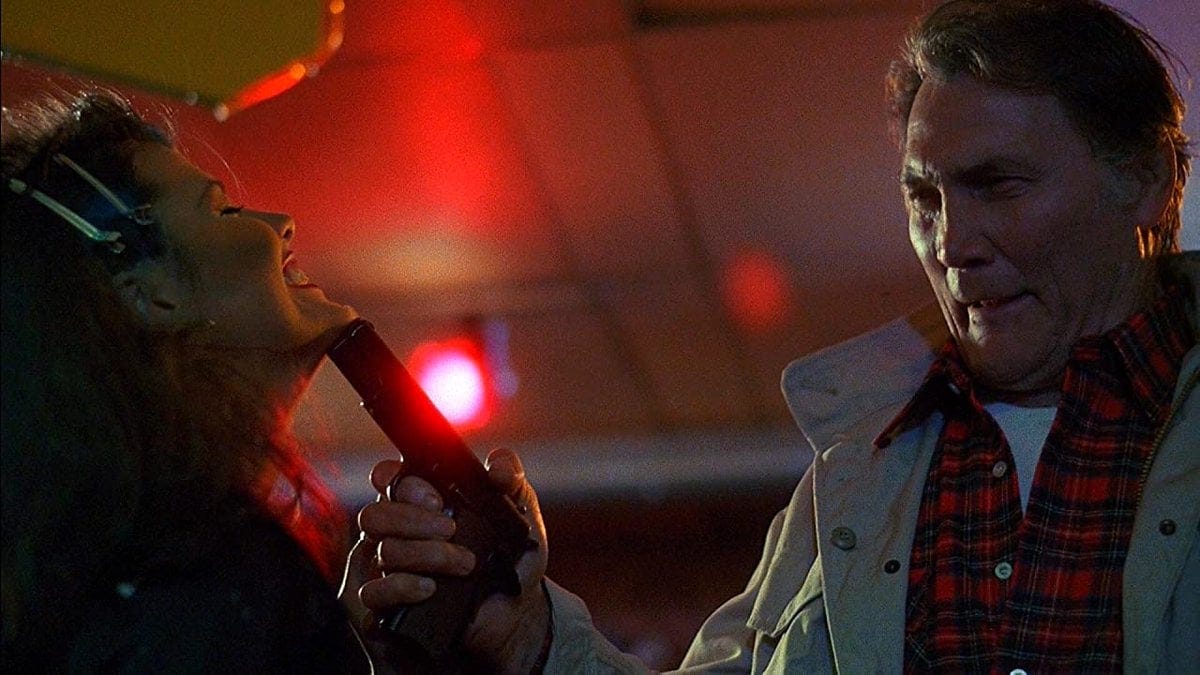
I wish there was more time spent with the incredibly intense and ripped Jack Palance playing Colonel Frank Hawkes, a man whose experience as a POW drove him over the edge. The movie’s inciting incident comes when he meets the new doctor and instantly draws the conclusion that this Dr. Potter killed and replaced his favorite, Dr. Merton. Seeing the man who played the sinister Jack Wilson in Shane (1953) and the tough-as-nails Curly in City Slickers (1991) display an infantile affection for his doctor and a childlike understanding of his situation is strangely adorable, even if it reminds me of when I started teaching at a new school mid-year after the previous teacher requested a transfer and all of his students made my life hell for the first month because they thought I stole his job.
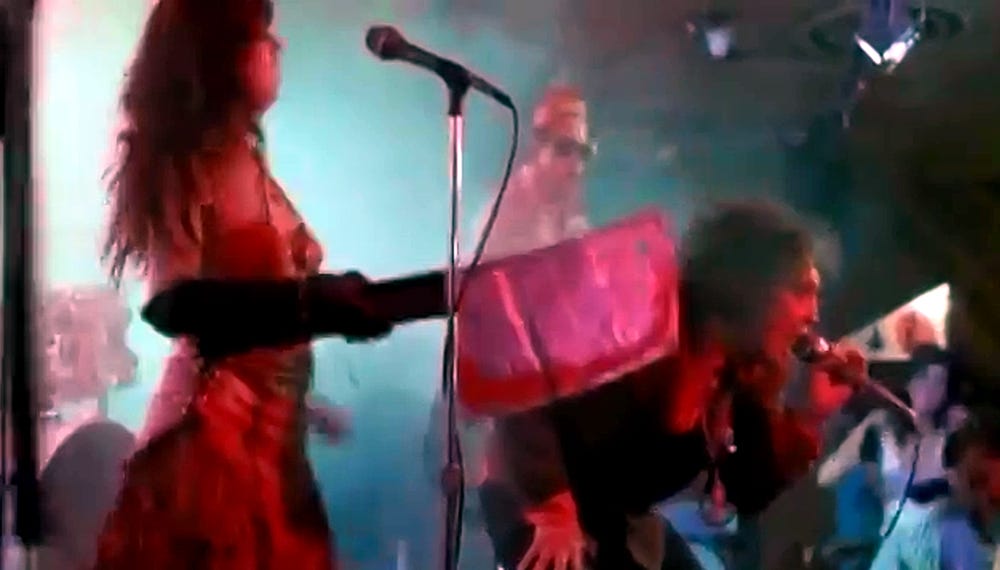
The imminent disaster awaiting this hospital and the surrounding town comes when Dr. Potter takes his wife and his sister to see the latter’s favorite band, The Sick Fucks. As they’re enjoying a performance of the hit single “Chop Up Your Mother” complete with giant novelty cleavers, the impossible happens: the power goes out and the Achilles’ heel of the hospital’s infallible electrical security system is exposed. Alone in the Dark treats a small town power outage with the gravity of a nuclear reactor meltdown, showing news reports, riots, and looting with one particularly hilarious shot of an extra slipping on some trash and eating shit in a parking lot.
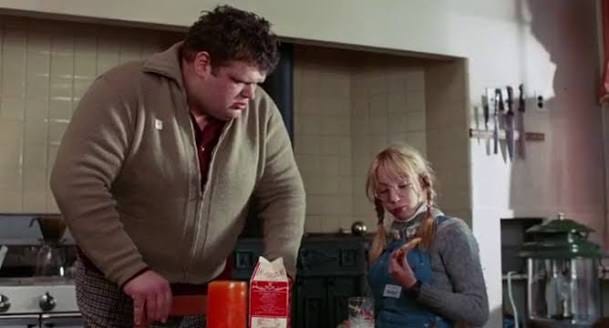
During the looting, the escaped third floor patients (and The Bleeder) arm themselves at a local sporting goods store in preparation for a raid on Dr. Potter’s house. There’s a subplot with Dr. Potter’s free-spirited kid sister, Toni, that fades in and out of the movie as it’s convenient to the plot and the morning after the outage she drags Potter’s wife, Nell, to a nuclear weapons protest, during which the two are arrested and not able to protect Potter’s adolescent daughter from the movie’s one harrowing sequence in which she’s alone in the house with an escaped third floor child predator. Thank fucking god that it comes to nothing except a babysitter and her boyfriend being dispatched in a very derivative Friday the 13th-esque fashion. For a movie featuring the work of horror legend Tom Savini, I was a little disappointed in what felt like a lack of inspiration in its makeup and gore effects.
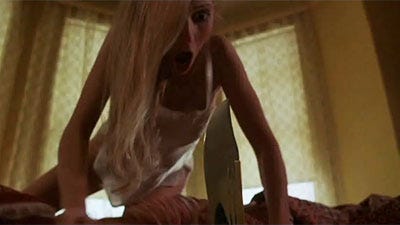
Switching to a siege movie in its final act, Alone in the Dark finally lives up to the hype of a bunch of escaped lunatics targeting their doctor. There’s a very pointed moment both literally and figuratively in which the family, still shaken by their daughter’s near demise, invite a black police detective to stay for dinner. When he’s later pinned to a tree with a crossbow bolt right outside their front window, they opt to leave him there like a Halloween decoration—still very much alive and writhing in pain, mind you—rather than help him, despite the fact that he was only there because of them! At that point, I switched allegiances and began rooting for the besieging maniacs.
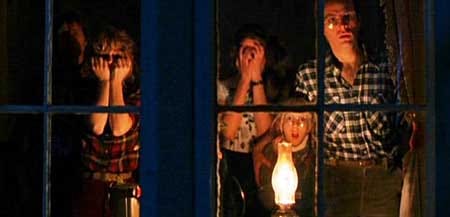
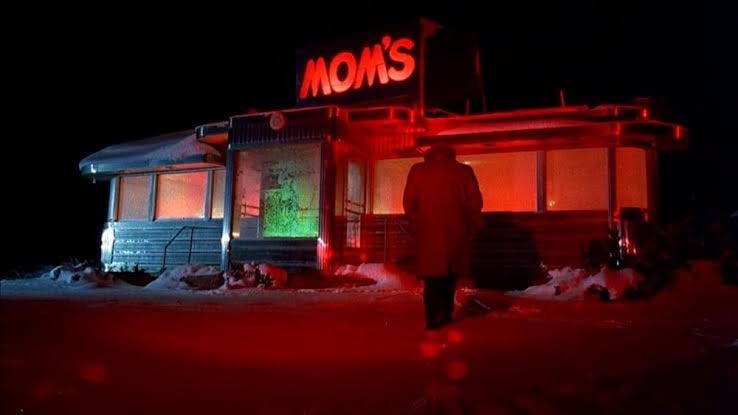
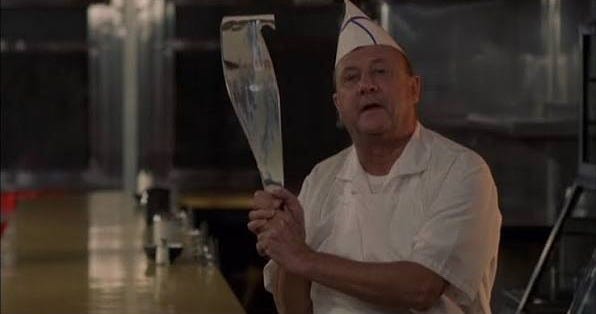
Overall, I enjoyed Alone in the Dark for its paranoid wackadoodle vibe established from the opening diner dream sequence and carried on by the erratic Pleasance-tries of Dr. Bain all the way to the finish with the movie’s third act Bleeder twist and open-ended final shot with Jack Palance. However, it’s definitely a situation of a mediocre horror movie being slightly elevated by my love for its cozy ‘80s aesthetic and the midnight viewing experience.
A classic!
Fucking love this movie. Bonus having the Sic F*cks on the soundtrack